Introduction
In a significantly globalized world, the requirement to assess work experience accurately has actually never been more important. Individuals looking to advance their professions or relocate frequently find themselves browsing a maze of scholastic and expert credentials from different countries. For companies and educational institutions alike, comprehending these qualifications is critical in making sure that they choose the ideal candidates.
This post dives deep into Unlocking Prospective: Comprehensive Work Experience Evaluation Techniques, exploring numerous methods, including academic credential evaluation, international credential evaluation services, course-by-course credential evaluation, and the importance of the expert viewpoint letter in making informed choices about possible staff members or students.
Unlocking Potential: Comprehensive Work Experience Evaluation Techniques
Evaluating work experience works as a bridge in between specific prospective and chance. Yet, how do we unlock this possible efficiently? The response lies in a multi-faceted approach that incorporates various assessment methods tailored to individual requirements and contexts.
Understanding Work Experience Evaluation
Work experience examination evaluates an individual's expert background, abilities, and competencies relative to job requirements or instructional requirements. This process can substantially vary based on area, market, and particular roles.
The Significance of Accurate Evaluation
Why is precise work experience examination essential? Misjudgments can cause bad hiring decisions, mismatched academic placements, or unsatisfied career aspirations. It's necessary for companies and organizations to ensure they make use of accurate approaches when evaluating qualifications.
Key Elements in Examining Work Experience
Professional Background Check
An extensive evaluation of previous employment history is vital. This includes validating job titles, durations of work, obligations held, and achievements.
Skills Assessment
Comprehending the abilities gotten during previous roles assists evaluate viability for future positions.
Industry Relevance
Assessing whether past experiences align with existing market requirements is essential for a significant assessment.

Academic Credential Evaluation
This includes evaluating any formal education received together with expert experience.
Types of Credential Evaluations
International Credential Examination Services
When prospects possess certifications from foreign organizations, international credential examination services come into play.
What Are International Credential Examination Services?
These services assess foreign instructional qualifications versus local requirements. They offer insights into how degrees equate within the domestic education system or labor market.
Why Usage These Services?
- To understand equivalency in terms of education level To assist in smoother immigration processes To improve employability by verifying foreign qualifications
Course-by-Course Credential Evaluation
What Is Course-by-Course Credential Evaluation?
This type evaluates each course taken throughout a prospect's education journey instead of just supplying an overall degree equivalency.
Benefits
- Detailed insights into particular courses undertaken Enables institutions to make informed choices relating to credit transfers Supports applicants seeking additional education by highlighting strengths and weaknesses
Crafting Effective Specialist Opinion Letters
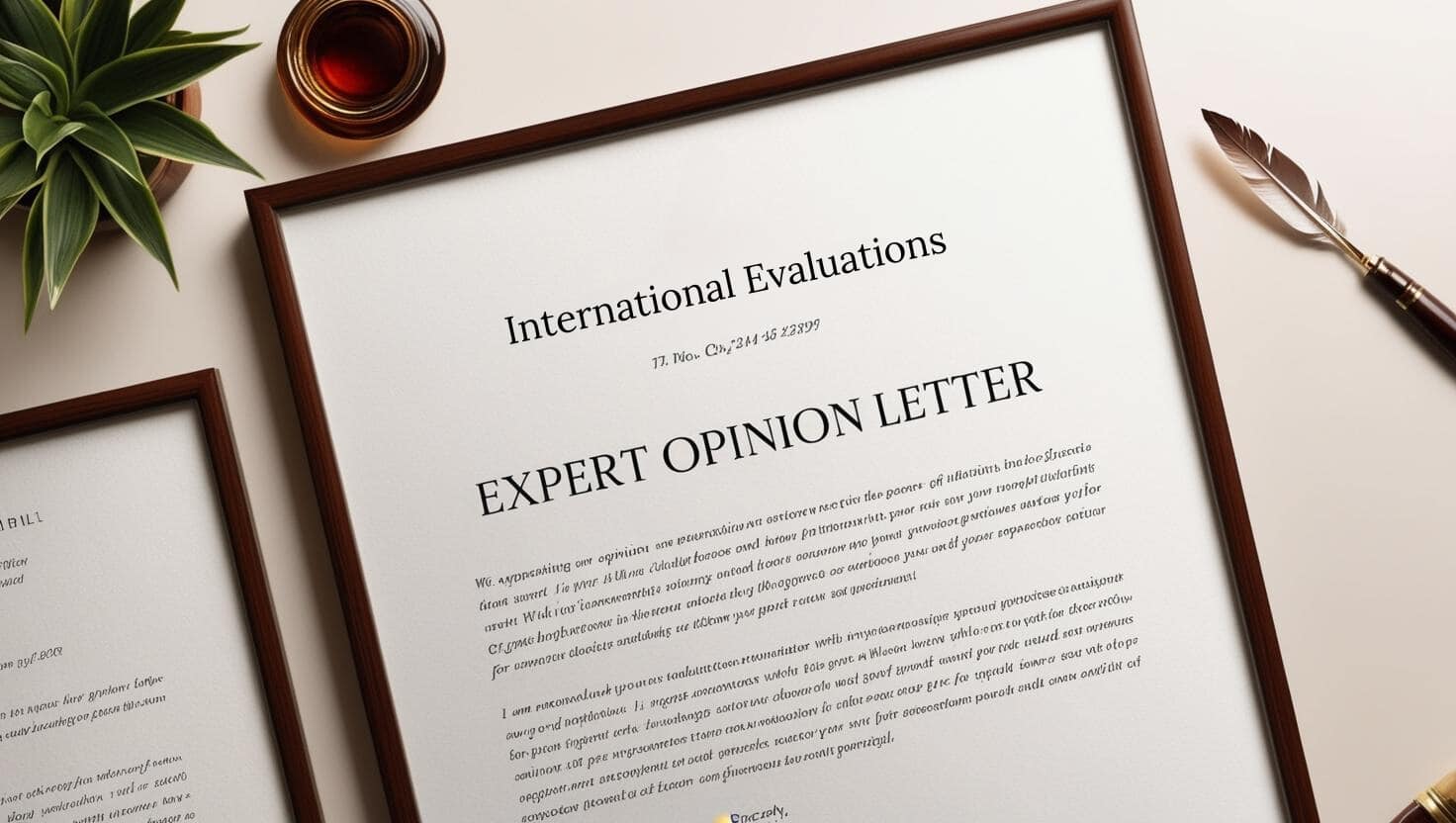
A specialist viewpoint letter serves as an important document in lots of examination processes.
What Is a Professional Opinion Letter?
This letter is composed by experts who have proficiency in evaluating academic credentials or work experience relative to market standards.
Why Are They Important?
Expert viewpoint letters serve multiple functions:
- Provide authoritative assessments Validate claims made by prospects about their experiences Enhance trustworthiness throughout application processes
Steps for Conducting an Extensive Work Experience Evaluation
Gather Documentation
Collect all appropriate documents consisting of CVs, recommendation letters, and performance reviews.
Conduct Interviews
Direct conversations supply deeper insights into candidates' experiences and soft skills.
Use Standardized Tools
Comparison Against Standards
Align findings with industry criteria to determine significance and value.
Compile Findings into Reports
Present outcomes plainly for stakeholders' review-- openness is key!
Challenges in Work Experience Evaluation
Recognizing Pitfalls
Despite best shots, challenges are plentiful in examining work experience precisely:
Cultural Differences Variability in Task Titles Lack of Standardization Across AreasHow to Overcome These Challenges?
- Train evaluators on cultural competency. Utilize databases that clarify task title equivalencies throughout industries.
FAQs
1. What does academic credential assessment entail?
Academic credential examination usually involves examining degrees gotten from numerous organizations worldwide to determine their equivalency in another nation's education system.
2. Why are global credential examination services necessary?
They aid https://internationalevaluations.com/about/ confirm foreign credentials so that individuals can gain employment or admission into educational programs without confusion over their credentials' legitimacy.
3. What differentiates course-by-course credential evaluation from regular evaluations?
Course-by-course examinations analyze each individual course taken throughout one's education rather than simply assessing the degree as a whole.
4. How does a skilled viewpoint letter support my application?
A specialist opinion letter offers authoritative backing for your claims concerning your qualifications or experiences and can substantially strengthen your application's strength.
5. What are common difficulties faced during work experience evaluations?
Common obstacles include cultural differences impacting analyses of roles/skills, variability in job titles across areas, and absence of standardization resulting in confusion over equivalencies.
6. How can I get ready for a work experience evaluation?
Gather detailed documentation like your CV/resume, recommendations from previous employers, performance evaluations if readily available, and be ready to discuss your experiences candidly during interviews.
Conclusion
As we've checked out throughout this post on " Unlocking Possible: Comprehensive Work Experience Examination Techniques," it's clear that reliable evaluations depend upon nuanced understanding and careful execution of numerous methods-- ranging from scholastic credential examinations to skilled viewpoint letters that provide credence to personal narratives.
Employers should embrace these thorough techniques not simply as governmental needs but as opportunities to empower individuals through fair assessments-- ultimately opening the large capacities concealed within varied backgrounds worldwide! By investing time in refining these strategies today, services can build stronger teams tomorrow while people can navigate their career paths with clarity and confidence.